


Field Inspection Services
HOA Field Inspection
Stay Ahead of Issues Across Your Community
Community conditions rarely change all at once. Pavement wear and drainage issues, amenity wear, signage issues, landscape problems, and common area damage often begin as small issues that become more noticeable when they are not addressed regularly.
Inframark's HOA field inspection services enable communities to monitor property conditions, document changes, and identify maintenance needs before they become harder to manage. With regular inspections and organized reporting, boards gain a clearer view of what is happening across shared spaces and infrastructure, and can respond with greater impact and confidence.
Why Choose Inframark for HOA Field Inspection?


Consistent Visibility Across the Property
Occasional walkthroughs can miss important changes, especially in larger communities with roads, sidewalks, amenities, drainage areas, signage, and shared spaces. Inframark supports recurring field inspections that create a more dependable view of property conditions across the entire community.


Observations That Support Better Follow-Up
Inspection findings are most valuable when they lead to informed action. Inframark documents visible concerns, organizes observations, and connects findings to maintenance planning, vendor coordination, or board review so communities can prioritize what needs attention.


Clear Reporting That Reduces Board Guesswork
Boards should not have to rely on scattered notes, isolated resident complaints, or incomplete updates to understand community conditions. Inframark presents inspection information in a clear format, making it easier to review issues, track changes, and coordinate next steps.

HOA Field Inspection That Brings Visibility to Everyday Conditions
Communities operate across many systems and spaces, each with its own maintenance needs. Roads, sidewalks, drainage areas, signage, landscaping, amenities, entry points, and common areas all require routine observation to understand how conditions are changing.
With HOA field inspection support, Inframark enables communities to move beyond informal walkthroughs. Inspections are documented, findings are organized, and observed conditions can be reviewed alongside maintenance priorities, giving boards and stakeholders a more complete picture of the property.
Inspection efforts may include:
- Visual assessments of common areas and shared spaces
- Identifying early signs of damage or deterioration
- Monitoring sidewalks, roads, and infrastructure conditions
- Documenting observed conditions and changes over time
- Reviewing drainage areas and surface water flow
- Coordinating follow-up actions where needed
- Checking amenity areas for wear or maintenance needs
- Reporting findings to boards and stakeholders
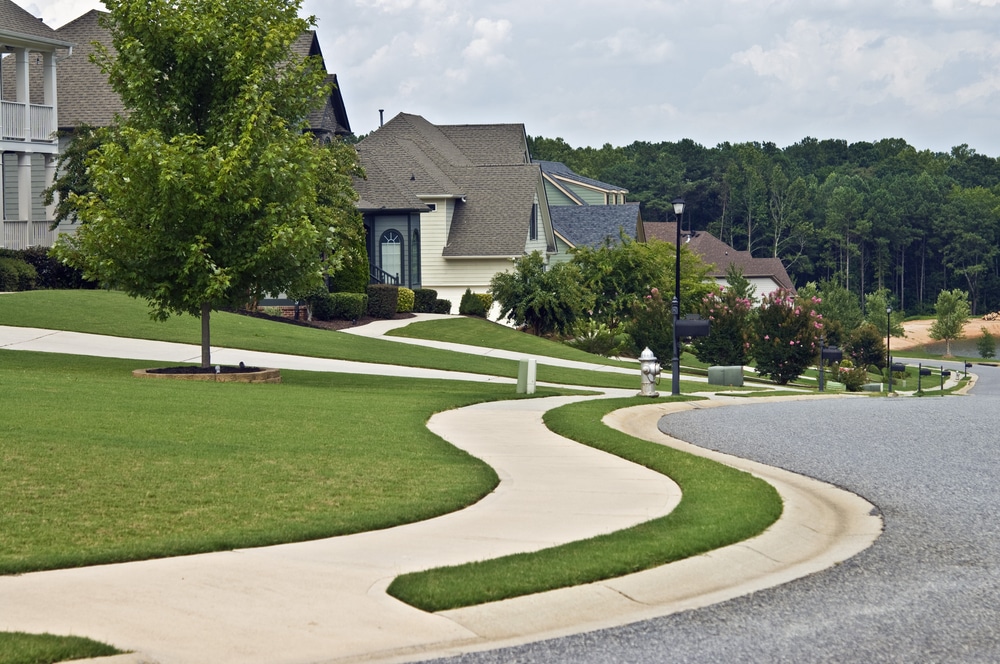


Identify Issues Early and Stay Ahead of Maintenance Needs
Small concerns can become expensive or disruptive when they are not tracked. Uneven pavement, standing water, damaged signs, worn amenities, broken fixtures, and neglected common areas can quickly develop into larger maintenance challenges if left unaddressed.
Regular HOA field inspections allow communities to spot issues earlier and respond with better timing. By documenting what is observed, boards can understand where attention is needed, compare current conditions with past reports, and make more informed maintenance decisions.
This allows communities to:
- Track gradual changes across shared spaces
- Improve coordination across multiple routes
- Address concerns before they expand
- Keep documentation aligned with observed conditions
- Maintain more consistent upkeep across the property
- Support stronger budget and project planning
Turn Observations into a Practical Management Tool
Field inspections lose value when observations are handled informally or left in scattered notes. A sidewalk or signage issue, drainage concern, or amenity problem should be easy to document, review, and connect to the right follow-up step.
Inframark's HOA field inspection services turn property observations into usable information. Findings are recorded in a more organized way, changes can be tracked across inspection cycles, and maintenance decisions become easier to justify with documented conditions rather than guesswork.

Improve How Your Community Is Managed Day to Day
When boards have consistent visibility into property conditions, daily management becomes more proactive. Maintenance can be planned with better timing, vendors can be directed more clearly, and recurring issues can be identified before they create larger operational challenges.
Through HOA field inspection, Inframark provides communities with better awareness of shared spaces, infrastructure, and common area needs. That visibility supports cleaner follow-up, stronger communication, and a more organized approach to protecting community standards.
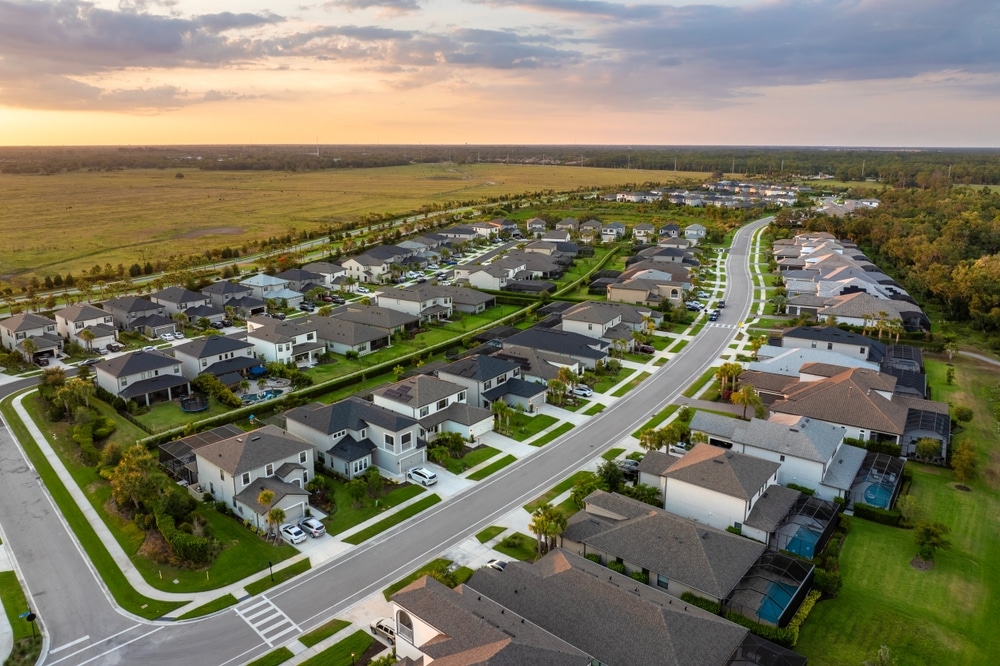
Gain a Clearer
View of Your
Community’s Condition
Without regular inspections, communities may only respond after an issue becomes visible to residents or disruptive to daily operations. By then, boards may have fewer options, less documentation, and more pressure to act quickly.
Inframark coordinates HOA field inspection services so communities can monitor conditions, document changes, report findings, and manage follow-up with greater confidence. Start gaining better visibility into your community today and keep every area aligned with your standards.

Frequently Asked Questions
An HOA field inspection is a regular review of community spaces, infrastructure, amenities, and common areas to identify visible conditions, document changes, and note potential maintenance needs. It gives boards a clearer understanding of how the property is performing between larger maintenance projects.
Field inspections may include sidewalks, roads, drainage areas, signage, landscaping, amenities, entry points, parking areas, lighting, and other shared spaces. The goal is to give boards a broad view of community conditions rather than focusing only on isolated complaints.
Inspection frequency depends on the size of the community, traffic levels, amenity use, environmental conditions, and board priorities. Many communities benefit from recurring inspections because consistent observation makes it easier to identify changes before issues become more serious.
Field inspections can identify pavement damage, sidewalk concerns, drainage issues, damaged signage, amenity wear, landscape problems, common area debris, lighting concerns, and other visible maintenance needs. These findings provide direction for follow-up and planning.
Field inspection improves maintenance planning by giving boards documented information about actual property conditions. Instead of relying only on complaints or occasional observations, communities can use inspection reports to prioritize work, coordinate vendors, and plan future maintenance.
Inspection findings are typically shared through organized reports or updates that summarize observed conditions, note changes, and identify areas that may require follow-up. Clear reporting allows boards to review issues quickly and understand what action may be needed.
Yes, field inspections can be customized based on the community’s layout, infrastructure, amenities, service needs, and board priorities. Inspection scope and frequency may vary depending on what areas require the most consistent observation.
Field inspections often connect with maintenance planning, public works coordination, vendor management, porter services, road repairs, sidewalk work, and amenity oversight. Inspection findings can inform these services by showing where attention is needed.
- Hits: 6

