


HOA Amenities Management
HOA Community Management
Amenities That Keep Residents Happy
A clubhouse nobody can book and a pool with no maintenance schedule turn amenities into complaints instead of selling points. Inframark's HOA community management approach treats amenities as an ongoing responsibility, not an afterthought. Vendors, bookings, and events all run through one coordinated team.
Why Choose Inframark?


Vendor Relationships Built For Amenities
Pool service companies, landscaping crews, and equipment technicians all need contracts, scheduling, and performance oversight. Inframark manages those vendor relationships directly instead of leaving the board to track down separate service providers.


Events That Bring Neighbors Together
Fun events, holiday gatherings, and seasonal programming give residents a reason to actually use the amenities they are paying for. Inframark coordinates that calendar rather than leaving it to volunteer board members.


One Team For Booking And Upkeep
Reservation systems and maintenance schedules work better when the same team manages both. A resident booking the clubhouse and a technician servicing the pool pump both go through Inframark instead of two disconnected processes.

Amenity Vendor Oversight
Pool service companies, landscaping crews, and equipment technicians rarely report to the same person, which makes accountability hard to pin down when something breaks. Inframark's HOA community management team handles bidding, contracts, and performance checks for each vendor type under one process.
- Pool and equipment service contracts
- Landscaping vendor management
- Bid solicitation and vendor vetting
- Performance monitoring across vendors


Reservation and Booking Coordination
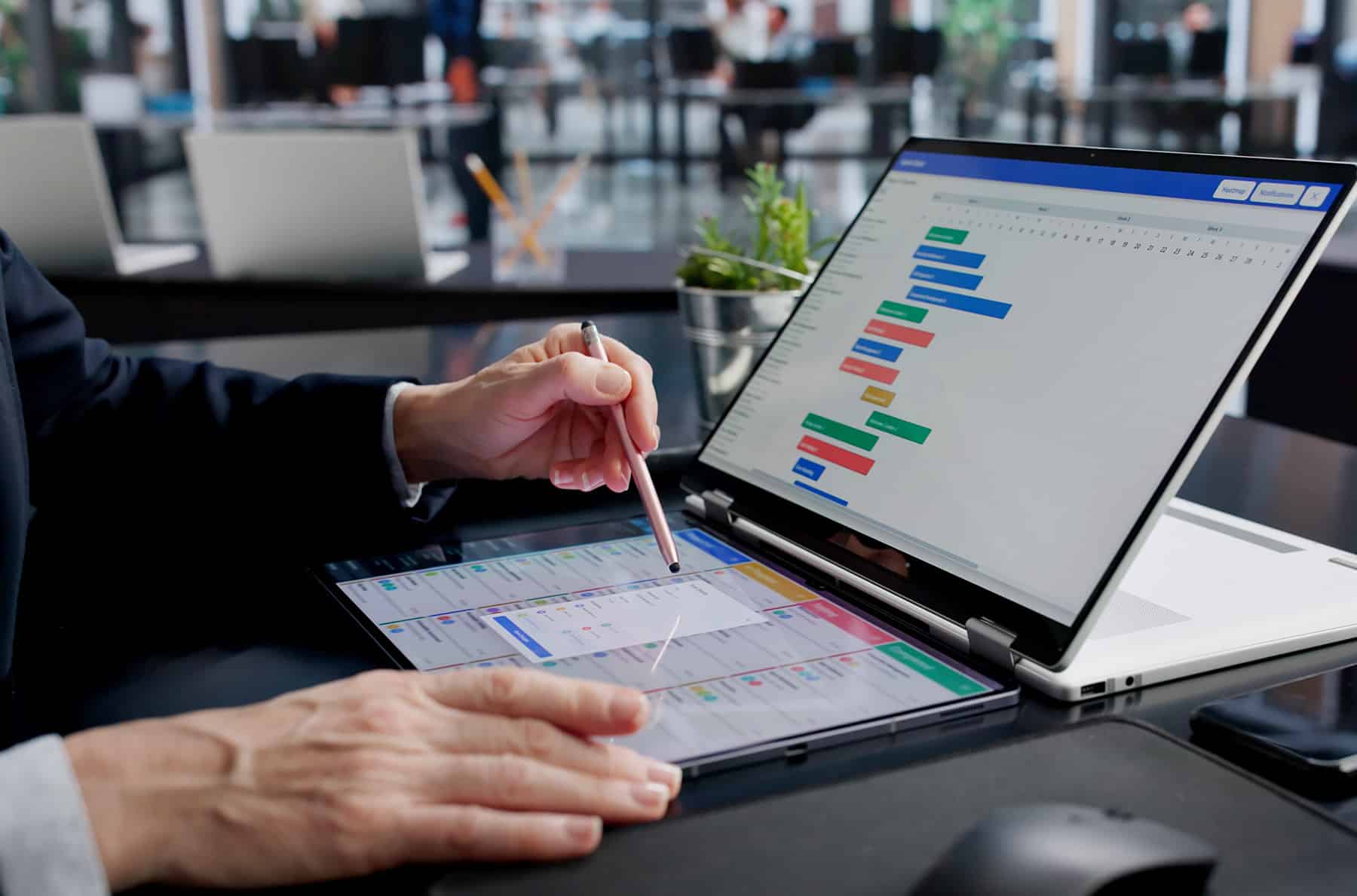
A clubhouse or pavilion only gets used when residents can actually reserve it without a confusing process. Inframark manages booking calendars, deposit policies, and usage rules so residents know how to access shared spaces.
- Online or phone-based reservation handling
- Deposit and cancellation policy enforcement
- Usage rule communication to residents
- Conflict resolution for double bookings

Event Programming and Resident Engagement
Amenities sit empty without programming that gives residents a reason to show up. Inframark coordinates recurring and seasonal events, from food truck nights to holiday gatherings, tailored to what a community's space can support.
- Recurring resident event planning
- Seasonal and holiday programming
- Vendor coordination for events
- Communication and promotion to residents


Amenity Area Maintenance
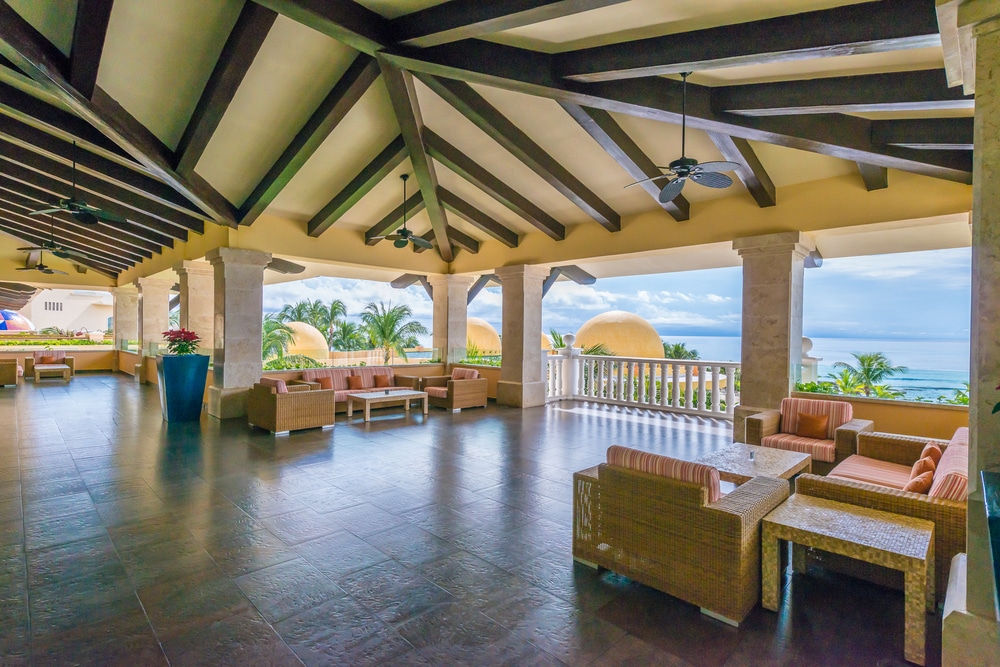
Pools, playgrounds, and common areas take more wear than a typical yard, and deferred upkeep shows up fast in resident complaints. Our Houston maintenance services team handles the physical side, from grounds work to surface cleaning.
- Grounds upkeep in amenity areas
- Surface cleaning and pressure washing
- Coordination with the maintenance team
- Priority scheduling for high-use spaces

Equipment and Facility Lifecycle Planning
Pool pumps, fitness equipment, and playground structures wear out on their own schedule, not the board's. Inframark tracks equipment age and condition so replacements get budgeted for before something fails without warning.
- Equipment age and condition tracking
- Replacement budgeting built into reserves
- Vendor coordination for major repairs
- Early flags before equipment fails

Communication and Access Policies
Residents need clear answers about who can use an amenity, when it is available, and what happens if a rule gets broken. Inframark handles that communication directly, applying the same policy community-wide rather than deciding case by case.

Frequently Asked Questions
Amenities cover any shared space or facility a community offers beyond individual homes: pools, clubhouses, fitness rooms, playgrounds, walking trails, and similar features. What counts varies widely depending on how a community was originally developed.
HOA community management from Inframark treats each of these as an ongoing responsibility rather than a one-time construction item. Vendor contracts, bookings, and upkeep all get organized under the same team regardless of how many amenities a property has.
Pool maintenance typically falls to a specialized service contractor rather than a general maintenance crew, given the equipment and chemical handling involved. The board is still on the hook for making sure that contractor shows up and does the job correctly.
Inframark takes charge of that contractor relationship, covering scheduling, contract terms, and performance follow-up. Boards get a working pool without personally chasing down a contractor who missed a service visit.
Booking a clubhouse or pavilion usually means checking a calendar, paying a deposit, and agreeing to usage rules, a process that gets messy fast without someone managing it. Inframark runs that reservation system directly, whether it is phone-based or an online booking tool.
Deposits, cancellation policies, and conflict resolution for double bookings all get handled the same way each time. Residents get a straightforward process instead of guessing how reservations work.
Usage violations, guests overstaying pool hours or someone ignoring reservation windows, get handled the same way enforcement works elsewhere in the community: documented, communicated, and tracked to resolution. Ignoring small violations tends to invite bigger ones.
Inframark applies amenity rules the same way across residents rather than making exceptions case by case. That approach protects the amenity for everyone and keeps the board out of one-off disputes.
Major amenity repairs, a resurfaced pool or a replaced playground structure, usually come out of reserve funds set aside specifically for that purpose. Communities without adequate reserves end up covering these costs through a special assessment instead.
Inframark tracks equipment age and condition as part of ongoing reserve planning, flagging replacements before they become emergencies. That planning reduces the odds of a surprise assessment landing on residents.
Programming can be as small as a monthly food truck night or as involved as a full holiday block party, depending on what residents actually want to see on the calendar. The scope is entirely up to the board, since an events calendar is optional rather than a standard part of amenities management. When a board does want programming, Inframark handles the vendor bookings and logistics behind each date.
Larger communities tend to have more amenities, more reservation volume, and more vendor relationships to track, which raises the coordination workload but not the underlying approach. The same reservation, vendor, and maintenance processes scale up rather than getting replaced.
What changes is mainly the level of activity Inframark's team manages day to day, not how the process itself works. A community with three amenities and one with fifteen both work through the same coordinated system.
- Hits: 16

